
Space Force anticipates first Kronos C2 contracts in April
While Kronos is moving forward, the other major part of the C2 upgrade, ATLAS, has not reached full viability, according to the most recent report by DOT&E.
While Kronos is moving forward, the other major part of the C2 upgrade, ATLAS, has not reached full viability, according to the most recent report by DOT&E.

Maj. Gen. Stephen Purdy, who is the Department of the Air Force acting head for space acquisition, said the OCX ground system for GPS satellites has now made it through testing of 97 percent of its requirements.


Manufacturing scale, global sustainment, and next-gen tech are becoming inseparable.

Anduril's Lattice software "will replace legacy communications systems with a resilient mesh network" to link sensors, rapidly share data with users, and ease integration of new software systems and users, the company said.
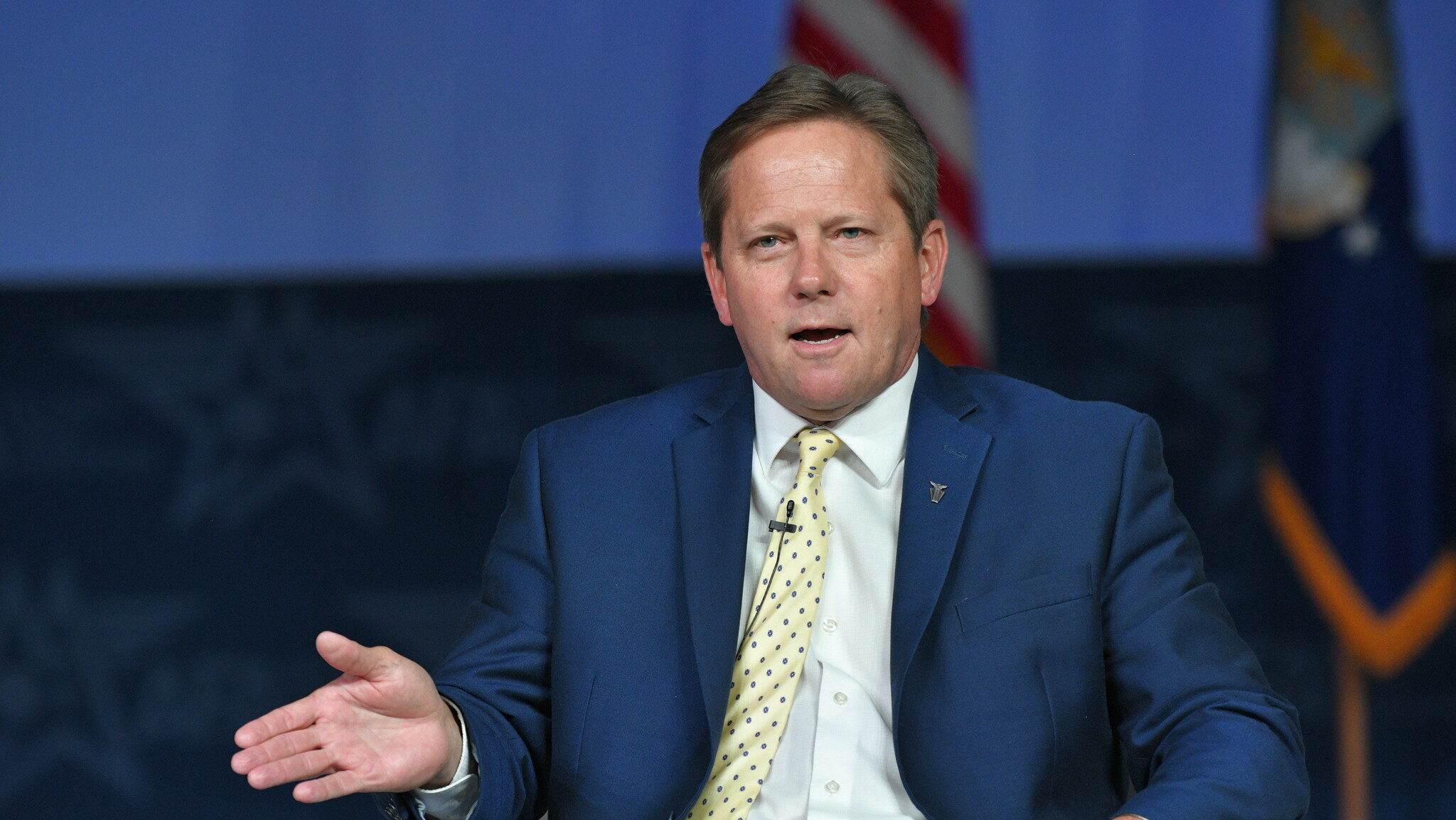
"I'm not criticizing ATLAS, but on the record, if it doesn't get there on time, I'm gonna find an alternative, because that's why I exist," Space RCO Director Kelly Hammett told Breaking Defense.

The NDAA instructed Air Force space acquisition czar Frank Calvelli to detail a UDL integration plan, following criticism from the Government Accountability Office, as well as to explain the Space Force's process "to regularly identify and evaluate commercial space situational awareness capabilities."
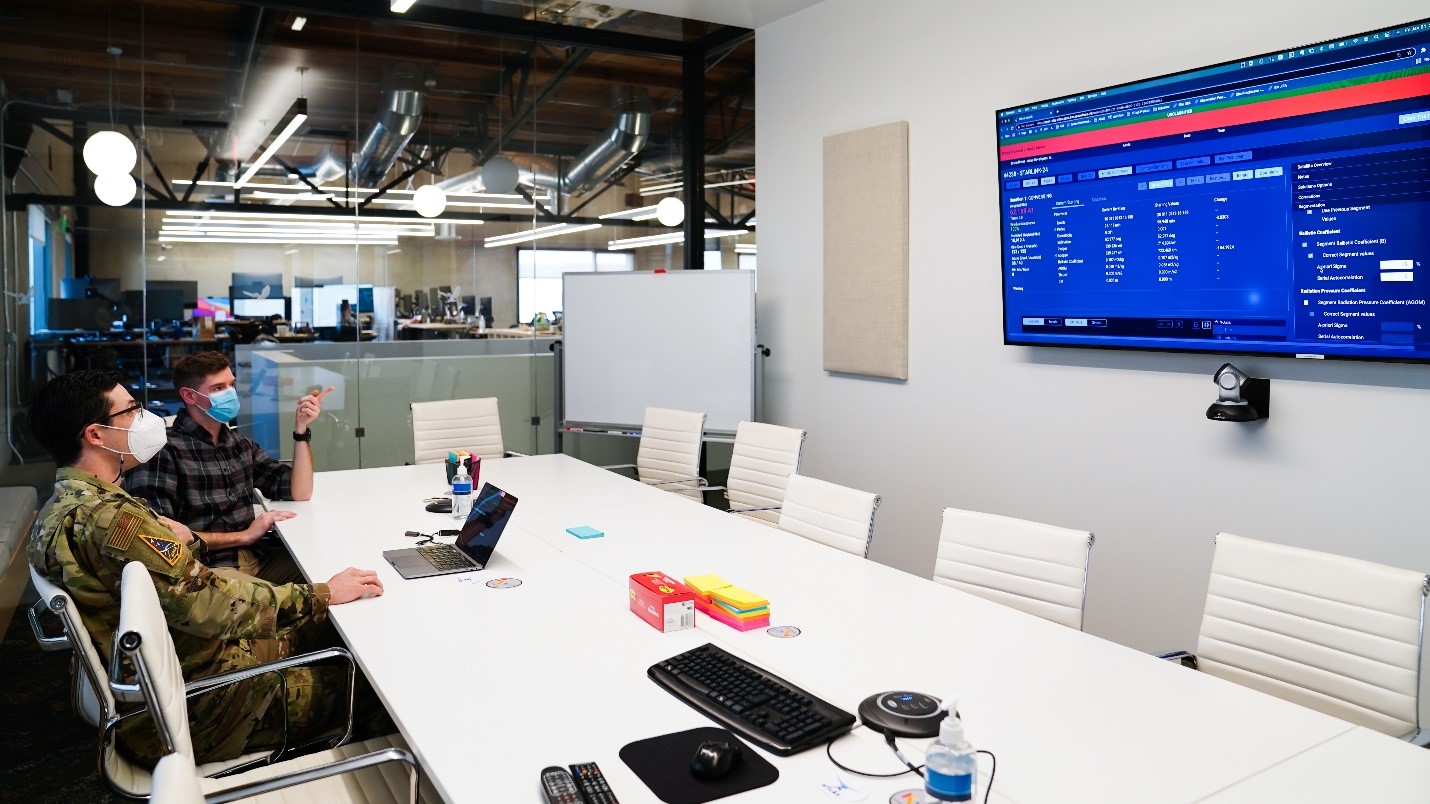
"[P]roduct development has been slower than anticipated, and the projected date to decommission SPADOC continues to extend further to late FY24, a delay of more than two years from the original timeline," according to the 2023 Annual Report of the Pentagon's Director of Operational Test & Evaluation.

GE Aerospace’s investments in the F110 are paying off in both production and delivery performance.

There's a whole lotta shakin' goin' on in space, from Geneva to Washington to Colorado Springs to Los Angeles.
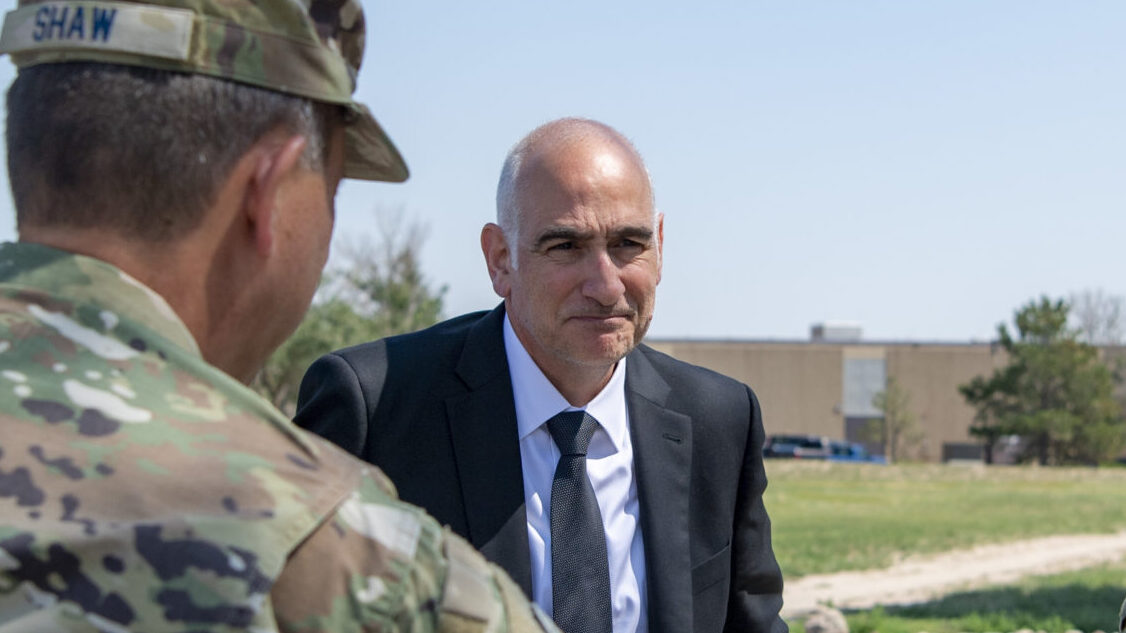
"Big software developments fail," said Air Force space acquisition czar Frank Calvelli. "You have to go to smaller systems."

The space operations chief wants systems that can gather "exquisite, high fidelity information about what's going on" in geosynchronous Earth orbit "and beyond," more sensors in the Southern Hemisphere to keep an eye on low Earth orbit and — critically — a better way to fuse data.

At the moment it is unclear when Space Force and Space Command actually will decommission CAVEnet, 2000s-era tech that analysts use for highly accurate and classified tracking of space objects.

AI is reshaping the Army’s approach to cyber, electronic warfare and command and control. At TechNet Augusta 2026, leaders outlined how they’re turning emerging technology into capabilities for the battlefield.